April 4, 2026
Local lumber yards play a crucial role in fostering sustainable practices, supporting the local economy, and preserving traditional craftsmanship. These yards act as vital hubs of community activity, offering not only materials but also knowledge to local builders and homeowners. According to Farm East Credit, lumber prices are expected to recover in 2025, with prices rising about 8% higher than in 2024, driven by supply constraints and improving US end-use markets. Acknowledging their impact is essential, as their presence helps balance economic vitality, environmental sustainability, and cultural heritage.
Economic Benefits of Supporting Local Lumber Yards
By purchasing from local lumber yards, consumers contribute to a circular economy that emphasizes local resource circulation. This dynamic ensures that profits are reinvested within the community, promoting overall regional prosperity. Local lumber yards often work closely with nearby loggers and manufacturers, maintaining a cohesive supply chain that strengthens economic resilience. This approach reduces reliance on distant suppliers, fostering a more self-sustaining local economy. Additionally, it helps stabilize the lumber industry, especially in times of global market fluctuations.
Supporting local lumber yards directly contributes to job creation within the community. These jobs include positions within the yards themselves as well as related roles in transportation, manufacturing, and forestry. As small to medium-sized enterprises, lumber yards offer employment opportunities that keep skills and expertise within the local area. This preservation of jobs is crucial, especially as global markets shift and automation increases. Moreover, job stability at local levels translates to greater economic security and growth for communities.
Local lumber yards often serve as gathering spots for community members, where people come together to share advice and expertise on various projects. By fostering interactions among tradespeople, DIY enthusiasts, and homeowners, lumber yards help strengthen community ties. These social connections build a network of support and create a collaborative atmosphere that enhances community spirit. As people engage with local businesses, they are more likely to feel connected and invested in their community's development. Strong community bonds contribute to social cohesion and collective resilience in the face of challenges.
Sustainable Practices and Environmental Impact
Purchasing from local lumber yards helps minimize transportation distances, thus reducing the carbon footprint associated with material delivery. Local sourcing of products decreases reliance on fossil-fueled international shipping and long-haul trucking. This reduction in transportation emissions is a significant factor in mitigating climate change and environmental degradation. By choosing local, consumers contribute to a more sustainable and eco-conscious lifestyle. Concurrently, supporting local suppliers aligns with broader environmental objectives, such as reducing greenhouse gas emissions.
Local lumber yards often adhere to sustainable harvesting methods, ensuring that wood is sourced responsibly. By working closely with regional foresters and loggers, these businesses can oversee environmental standards and sustainable practices. This includes initiatives such as selective logging, reforestation, and adherence to regulatory guidelines. Sustainable harvesting not only preserves forest ecosystems but also ensures the availability of timber resources for future generations. Supporting yards that prioritize eco-friendly practices helps preserve our planet's natural resources.
In addition to sustainable harvesting, many local lumber yards engage in active forest conservation efforts. They collaborate with conservation organizations to protect local wildlife habitats and biodiversity. By advocating for regulated cutting practices and participating in tree planting campaigns, they contribute positively to environmental preservation. This involvement demonstrates a commitment to maintaining ecological balance and preventing habitat loss. Through these conservation efforts, local lumber yards play an essential role in safeguarding natural ecosystems.
Quality and Variety of Products
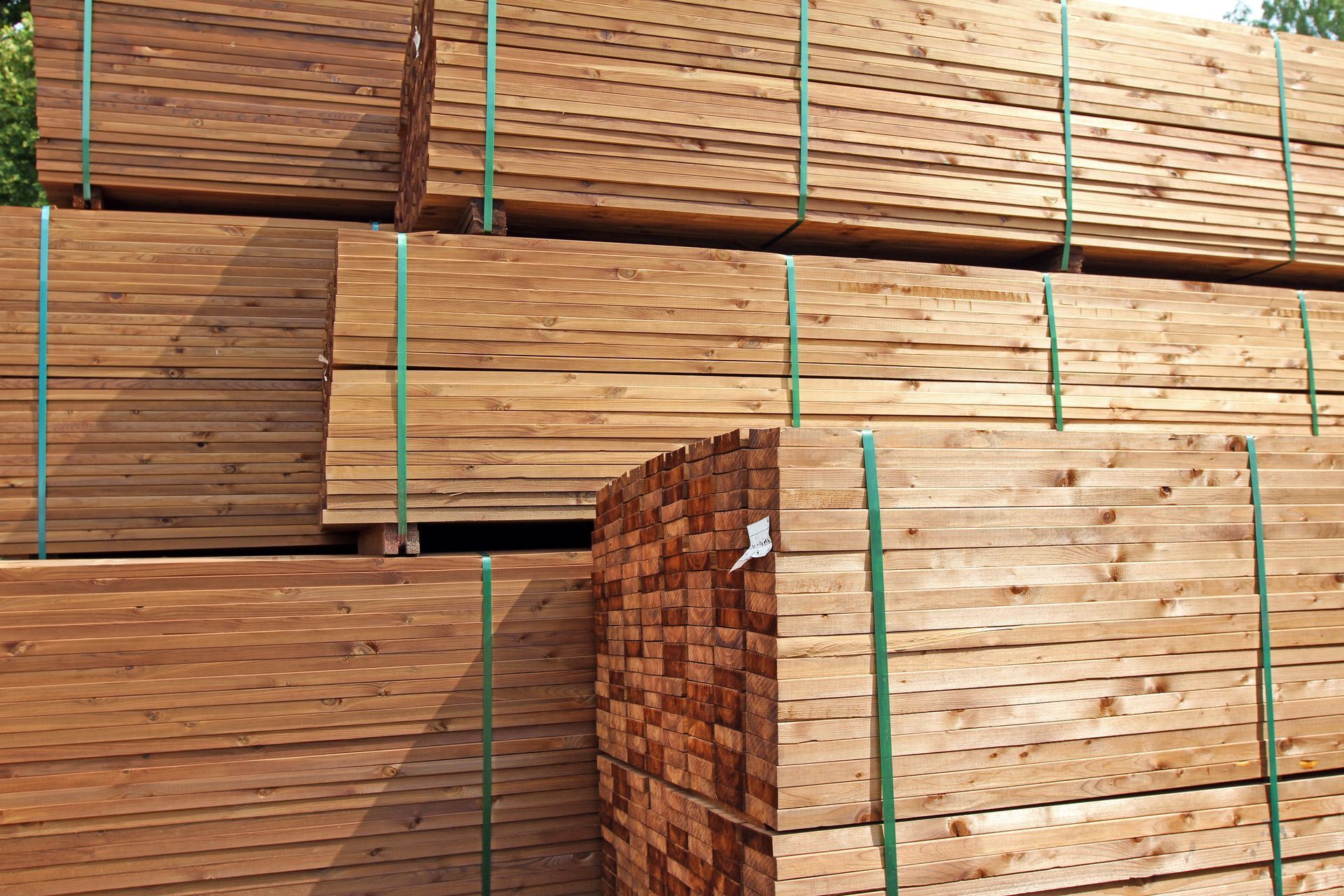
Local lumber yards pride themselves on providing a wide array of wood species native to their region. This diversity allows customers to choose from various textures, grains, and tones suited to different projects. Offering locally sourced wood not only supports biodiversity but also caters to specialized customer needs. By having access to a range of wood species, customers can select the right material for specific design aesthetics and functional purposes. Additionally, it encourages the use of underutilized species that might otherwise remain untapped.
Locally sourced lumber often boasts superior quality because it undergoes less handling and processing during transportation. By purchasing directly from nearby yards, customers can expect materials that have been carefully selected and inspected. High-quality lumber ensures durability and longevity in construction and woodworking projects. This commitment to quality exemplifies the personal investment local yards have in their products and customer satisfaction. Choosing premium materials is particularly important as Farm East Credit reports lumber prices will recover by 2025, making quality a significant selling point.
Local lumber yards often offer customization and personalization services for unique customer projects. Customers can consult with knowledgeable staff about specific dimensions, finishes, or treatments to meet their precise requirements. This ability to customize products ensures that clients receive highly individualized solutions tailored to their needs. Personalized attention encourages customer loyalty and promotes further engagement with local businesses. The capacity for customization distinguishes local yards from larger, generic retailers, providing a superior, tailored shopping experience.
Expert Knowledge and Personalized Service
One of the hallmarks of local lumber yards is the expert guidance provided by their knowledgeable staff. Employees typically possess years of experience and insight into lumber selection and usage, offering invaluable assistance to clients. This expertise empowers customers to make informed decisions, ensuring successful project outcomes. Access to expert knowledge is particularly beneficial for those unfamiliar with construction materials or processes. Such insights help customers understand the nuances of different wood types and ensure optimal application in their projects.
Recognizing the diversity of projects and client requirements, local yards offer tailored advice for individual needs. Whether a customer is building a deck, crafting furniture, or enhancing a home interior, staff recommend suitable materials and techniques. This customization fosters a positive client experience, underpinned by successful project execution. Personalized support ensures customers achieve their creative visions while adhering to structural and budgetary constraints. Building relationships through customized service creates satisfied, repeat customers and sustained business success.
The in-depth product knowledge held by local lumber yard staff equips them to address a wide range of queries. Comparable to a living library, staff understand the origins, properties, and applications of various wood types. This specialized knowledge is particularly useful for explaining product performance, maintenance, and lifespan to clients. Ensuring customers are well-informed builds trust and supports long-term relationships. Addressing inquiries effectively fosters customer confidence and underscores the value of purchasing from a local business.
Community Engagement and Cultural Value
Local lumber yards frequently participate in community events and initiatives, contributing to a vibrant local culture. From sponsoring local fairs to participating in charitable events, they remain active members of the community. This involvement fosters goodwill, raises business profiles, and strengthens collective community identity. Engaging with the community in these ways reinforces mutual support between businesses and residents. Strong local ties mitigate the impact of external economic pressures, fostering a resilient community.
Local lumber yards play a critical role in fostering craftsmanship by providing essential materials to artisans and builders. These businesses support traditional skills, offering quality raw materials essential for crafting bespoke items and intricate woodwork. By promoting local craftsmanship, yards contribute to the preservation and revival of heritage techniques that might otherwise fade. Craftsmanship not only enhances product uniqueness but also strengthens local artistic identity. Cultivating craftsmanship enriches the community's cultural fabric and passes valuable skills to future generations.
Supporting local lumber yards is a conscientious and impactful choice, reflecting commitment to economic empowerment, environmental stewardship, and cultural enrichment. These entities infuse local economies with much-needed resilience, creating jobs, and reinforcing community identity. By promoting sustainable practices and enhancing product quality, local lumber yards serve integral roles within both local communities and global environmental efforts. Their adaptability to modern challenges ensures that they remain vital contributors to economic progress and cultural preservation. In essence, choosing local lumber yards is investing in a sustainable future for both people and the planet. For more information about the services that we offer, reach out to our incredible team at Tuttle Lumber Company today!
Local lumber yards play a crucial role in fostering sustainable practices, supporting the local economy, and preserving traditional craftsmanship. These yards act as vital hubs of community activity, offering not only materials but also knowledge to local builders and homeowners. According to Farm East Credit, lumber prices are expected to recover in 2025, with prices rising about 8% higher than in 2024, driven by supply constraints and improving US end-use markets. Acknowledging their impact is essential, as their presence helps balance economic vitality, environmental sustainability, and cultural heritage.
Economic Benefits of Supporting Local Lumber Yards
By purchasing from local lumber yards, consumers contribute to a circular economy that emphasizes local resource circulation. This dynamic ensures that profits are reinvested within the community, promoting overall regional prosperity. Local lumber yards often work closely with nearby loggers and manufacturers, maintaining a cohesive supply chain that strengthens economic resilience. This approach reduces reliance on distant suppliers, fostering a more self-sustaining local economy. Additionally, it helps stabilize the lumber industry, especially in times of global market fluctuations.
Supporting local lumber yards directly contributes to job creation within the community. These jobs include positions within the yards themselves as well as related roles in transportation, manufacturing, and forestry. As small to medium-sized enterprises, lumber yards offer employment opportunities that keep skills and expertise within the local area. This preservation of jobs is crucial, especially as global markets shift and automation increases. Moreover, job stability at local levels translates to greater economic security and growth for communities.
Local lumber yards often serve as gathering spots for community members, where people come together to share advice and expertise on various projects. By fostering interactions among tradespeople, DIY enthusiasts, and homeowners, lumber yards help strengthen community ties. These social connections build a network of support and create a collaborative atmosphere that enhances community spirit. As people engage with local businesses, they are more likely to feel connected and invested in their community's development. Strong community bonds contribute to social cohesion and collective resilience in the face of challenges.
Sustainable Practices and Environmental Impact
Purchasing from local lumber yards helps minimize transportation distances, thus reducing the carbon footprint associated with material delivery. Local sourcing of products decreases reliance on fossil-fueled international shipping and long-haul trucking. This reduction in transportation emissions is a significant factor in mitigating climate change and environmental degradation. By choosing local, consumers contribute to a more sustainable and eco-conscious lifestyle. Concurrently, supporting local suppliers aligns with broader environmental objectives, such as reducing greenhouse gas emissions.
Local lumber yards often adhere to sustainable harvesting methods, ensuring that wood is sourced responsibly. By working closely with regional foresters and loggers, these businesses can oversee environmental standards and sustainable practices. This includes initiatives such as selective logging, reforestation, and adherence to regulatory guidelines. Sustainable harvesting not only preserves forest ecosystems but also ensures the availability of timber resources for future generations. Supporting yards that prioritize eco-friendly practices helps preserve our planet's natural resources.
In addition to sustainable harvesting, many local lumber yards engage in active forest conservation efforts. They collaborate with conservation organizations to protect local wildlife habitats and biodiversity. By advocating for regulated cutting practices and participating in tree planting campaigns, they contribute positively to environmental preservation. This involvement demonstrates a commitment to maintaining ecological balance and preventing habitat loss. Through these conservation efforts, local lumber yards play an essential role in safeguarding natural ecosystems.
Quality and Variety of Products
Local lumber yards pride themselves on providing a wide array of wood species native to their region. This diversity allows customers to choose from various textures, grains, and tones suited to different projects. Offering locally sourced wood not only supports biodiversity but also caters to specialized customer needs. By having access to a range of wood species, customers can select the right material for specific design aesthetics and functional purposes. Additionally, it encourages the use of underutilized species that might otherwise remain untapped.
Locally sourced lumber often boasts superior quality because it undergoes less handling and processing during transportation. By purchasing directly from nearby yards, customers can expect materials that have been carefully selected and inspected. High-quality lumber ensures durability and longevity in construction and woodworking projects. This commitment to quality exemplifies the personal investment local yards have in their products and customer satisfaction. Choosing premium materials is particularly important as Farm East Credit reports lumber prices will recover by 2025, making quality a significant selling point.
Local lumber yards often offer customization and personalization services for unique customer projects. Customers can consult with knowledgeable staff about specific dimensions, finishes, or treatments to meet their precise requirements. This ability to customize products ensures that clients receive highly individualized solutions tailored to their needs. Personalized attention encourages customer loyalty and promotes further engagement with local businesses. The capacity for customization distinguishes local yards from larger, generic retailers, providing a superior, tailored shopping experience.
Expert Knowledge and Personalized Service
One of the hallmarks of local lumber yards is the expert guidance provided by their knowledgeable staff. Employees typically possess years of experience and insight into lumber selection and usage, offering invaluable assistance to clients. This expertise empowers customers to make informed decisions, ensuring successful project outcomes. Access to expert knowledge is particularly beneficial for those unfamiliar with construction materials or processes. Such insights help customers understand the nuances of different wood types and ensure optimal application in their projects.
Recognizing the diversity of projects and client requirements, local yards offer tailored advice for individual needs. Whether a customer is building a deck, crafting furniture, or enhancing a home interior, staff recommend suitable materials and techniques. This customization fosters a positive client experience, underpinned by successful project execution. Personalized support ensures customers achieve their creative visions while adhering to structural and budgetary constraints. Building relationships through customized service creates satisfied, repeat customers and sustained business success.
The in-depth product knowledge held by local lumber yard staff equips them to address a wide range of queries. Comparable to a living library, staff understand the origins, properties, and applications of various wood types. This specialized knowledge is particularly useful for explaining product performance, maintenance, and lifespan to clients. Ensuring customers are well-informed builds trust and supports long-term relationships. Addressing inquiries effectively fosters customer confidence and underscores the value of purchasing from a local business.
Community Engagement and Cultural Value
Local lumber yards frequently participate in community events and initiatives, contributing to a vibrant local culture. From sponsoring local fairs to participating in charitable events, they remain active members of the community. This involvement fosters goodwill, raises business profiles, and strengthens collective community identity. Engaging with the community in these ways reinforces mutual support between businesses and residents. Strong local ties mitigate the impact of external economic pressures, fostering a resilient community.
Local lumber yards play a critical role in fostering craftsmanship by providing essential materials to artisans and builders. These businesses support traditional skills, offering quality raw materials essential for crafting bespoke items and intricate woodwork. By promoting local craftsmanship, yards contribute to the preservation and revival of heritage techniques that might otherwise fade. Craftsmanship not only enhances product uniqueness but also strengthens local artistic identity. Cultivating craftsmanship enriches the community's cultural fabric and passes valuable skills to future generations.
Supporting local lumber yards is a conscientious and impactful choice, reflecting commitment to economic empowerment, environmental stewardship, and cultural enrichment. These entities infuse local economies with much-needed resilience, creating jobs, and reinforcing community identity. By promoting sustainable practices and enhancing product quality, local lumber yards serve integral roles within both local communities and global environmental efforts. Their adaptability to modern challenges ensures that they remain vital contributors to economic progress and cultural preservation. In essence, choosing local lumber yards is investing in a sustainable future for both people and the planet. For more information about the services that we offer, reach out to our incredible team at Tuttle Lumber Company today!